Mazda 3 Axela: Strengths, Limitations, and a Dedicated Rear Spoiler Upgrade by Haosheng
What is Mazda 3 Axela?
Mazda3 is a compact passenger car developed by Mazda Motor Corporation and first introduced in 2003. It was created as the successor to the Mazda 323, with the goal of combining sporty driving characteristics, modern design, and everyday practicality in a single global model.
Since its launch, Mazda3 has gone through four generations of evolution, continuously refining its design language, engineering philosophy, and driving dynamics.
1. How Many Generations Does Mazda 3 Have?
⑴ Mazda3 First Generation (BK: 2003–2009)
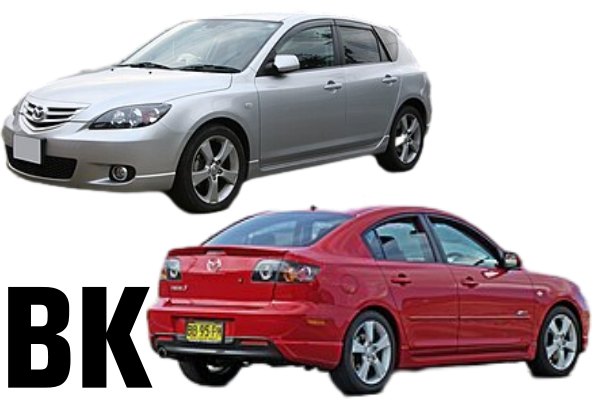
Focused on replacing the traditional compact sedan image with a more youthful and sporty character. This generation established Mazda3’s reputation for agile handling and responsive steering.
⑵ Mazda3 Second Generation (BL: 2009–2013)
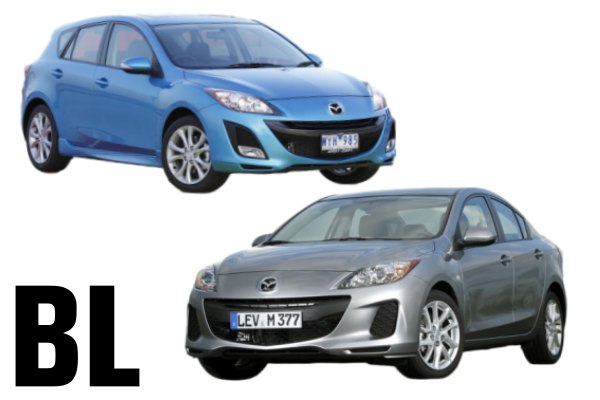
Improved body rigidity, safety performance, and interior quality while maintaining a sporty driving feel. Mazda3 further expanded its global presence during this period.
⑶ Mazda3 Third Generation (BM/BN/BY: 2013–2018)

Introduced Mazda’s KODO “Soul of Motion” design language and Skyactiv technology, significantly improving fuel efficiency, chassis balance, and overall refinement.
⑷ Mazda3 Fourth Generation (BP: 2019–Present)
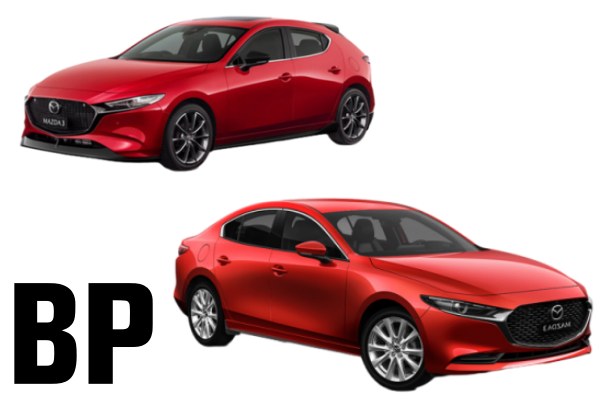
Built on Mazda’s Skyactiv-Vehicle Architecture, the fourth-generation Mazda3 represents a major step forward in design sophistication and structural engineering. This generation emphasizes smoother body surfaces, improved noise and vibration control, and a more premium driving experience.
Today, the Fourth-Generation Mazda3 is positioned as a compact car that offers a balance between sportiness, comfort, and upscale design. It is widely sold in both Sedan and Hatchback body styles and continues to attract young and style-conscious drivers worldwide.
For many owners, the Mazda 3 is not simply a means of transportation, but a personal statement. This emotional connection is one of the main reasons why Mazda 3 drivers are more willing than average to invest in tasteful exterior upgrades.
2. What's the Difference Between Mazda 3 Hatchback and Sedan?
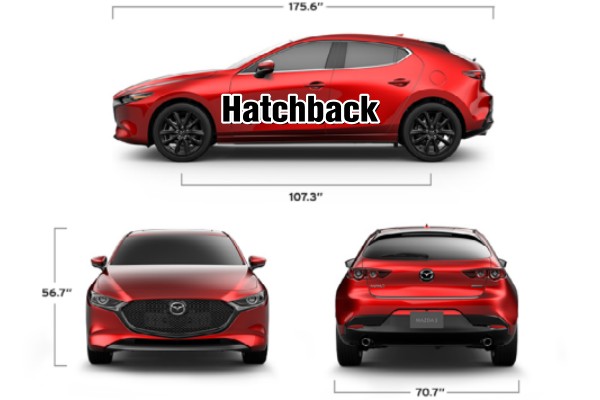
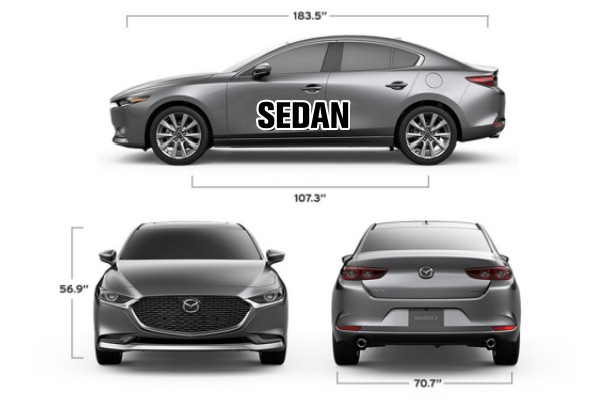
The fourth-generation Mazda 3 (BP platform) is offered in two main body styles: Sedan and Hatchback. While both share the same engineering foundation, their body structures and rear-end designs create subtle differences in appearance, aerodynamics, and modification focus.
From a technical perspective, both versions utilize Mazda's Skyactiv-Vehicle Architecture, emphasizing rigidity, weight balance, and refined chassis tuning. However, their exterior forms lead to different visual characteristics.
⑴ Mazda 3 Sedan (BP Sedan)
● Longer trunk lid and more traditional three-box silhouette
● Cleaner rear profile with horizontal emphasis
● More conservative and elegant appearance
⑵ Mazda 3 Hatchback (BP Hatchback)
● Shorter rear overhang with integrated hatch design
● More pronounced curves and sculpted rear surface
● Naturally sportier visual character
These structural differences directly influence spoiler design and positioning.
⑶ For the Sedan version, a rear spoiler typically focuses on:
● Extending the trunk edge visually
● Adding horizontal width
● Enhancing rear definition
⑷ For the Hatchback version, spoiler design emphasizes:
● Accentuating roofline flow
● Strengthening rear sportiness
● Creating a sharper finishing point at the tail
Because of these differences, a properly engineered spoiler must be developed specifically for each body style, rather than using a one-size-fits-all approach.
What Makes the Mazda 3 Axela So Popular?
One of the Mazda 3's biggest strengths is its design. Mazda's KODO "Soul of Motion" philosophy gives the car a smooth, flowing shape with a strong sense of movement even when stationary.
Key strengths include:
⑴ Sporty and elegant exterior design
⑵ Excellent handling and steering response
⑶ Comfortable driving position
⑷ High build quality for its segment
⑸ Strong brand image among young drivers
Many owners describe the Mazda 3 as a car that feels "connected" to the road. The steering feedback, chassis tuning, and balanced weight distribution contribute to an engaging driving experience that stands out in the compact car segment.
Areas Where Owners Want More
At the same time, no vehicle is perfect. Some Mazda 3 owners mention that while the factory design looks clean and refined, it can appear slightly conservative for those who prefer a more aggressive appearance.
Common feedback from users includes:
⑴ Rear design could look more sporty
⑵ Factory exterior lacks strong visual accents
⑶ Desire for more personalized styling
These points do not indicate weaknesses in quality, but rather reflect the growing desire for individuality. This is exactly where exterior modification parts become relevant.
Why the Mazda 3 Is an Ideal Platform for Exterior Upgrades?
Because the Mazda 3 already has a well-balanced base design, it responds especially well to subtle modifications. Small changes can produce noticeable visual improvements without disturbing the original styling language.
A Mazda 3 rear trunk spoiler is one of the most effective upgrades for this purpose:
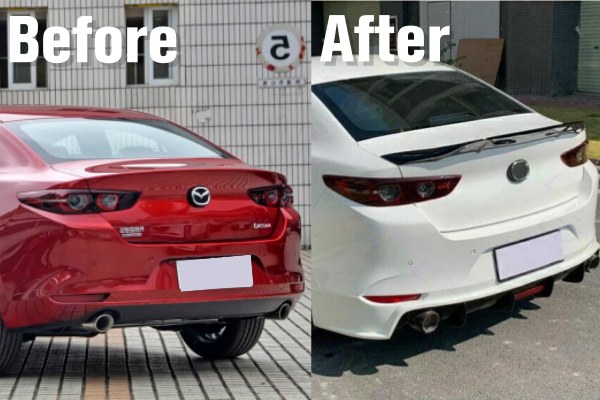
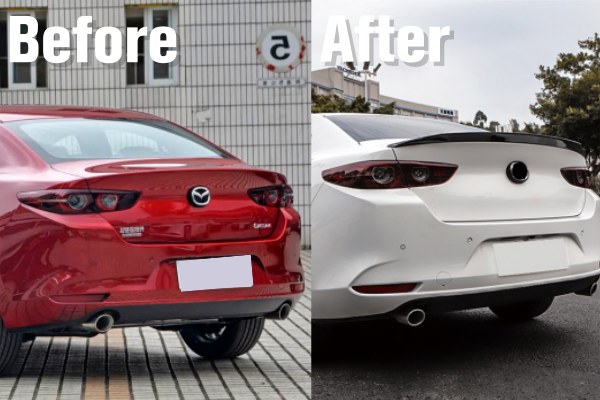
√ Adds visual width and depth to the rear
√ Enhances sporty character
√ Maintains daily usability
√ Keeps installation simple
For both existing owners and future buyers, a spoiler represents a logical first step into vehicle personalization.
Haosheng's Dedicated Rear Spoiler for Mazda 3 Axela
Based on the Mazda 3's body structure and trunk geometry, Haosheng developed a model-specific rear spoiler using 3D scanning and CAD design.
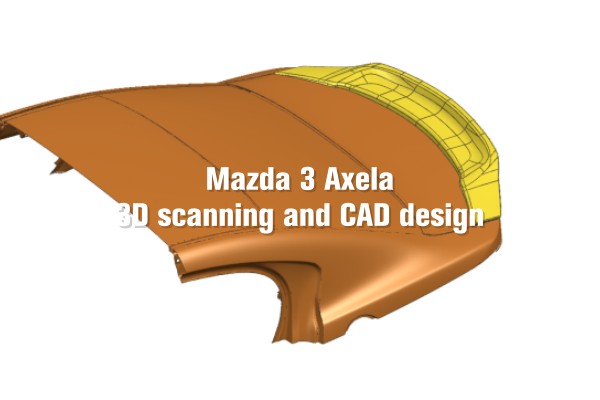
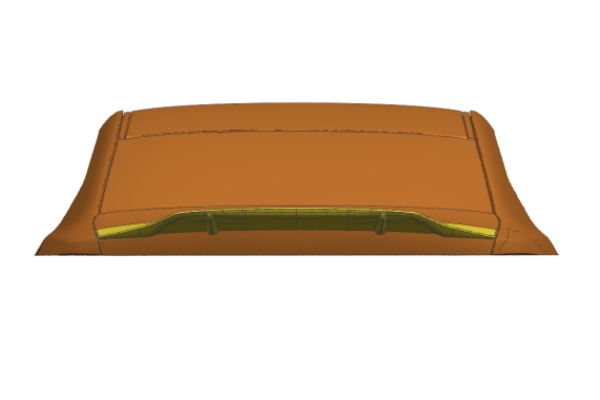
Every contour of the spoiler is engineered to match the vehicle precisely, ensuring:
√ Accurate fitment
√ Stable mounting
√ Clean integration with the trunk lid
This dedicated development approach guarantees better results than universal products.
Balanced Sporty Design
The design philosophy behind Haosheng's Mazda 3 back spoiler is to complement, not overpower, the original car.
Design highlights:
⑴ OEM-RS style sporty appearance or R style
⑵ Clean and smooth surface lines
⑶ Suitable for a wide range of markets
The result is a spoiler that looks natural on the vehicle, as if it were part of the original design.
Material & Finish Options
To meet different market demands, we provide:
ABS material + Carbon fiber look finish / Gloss black / Matte black / Pearl white
This flexibility allows partners to create multiple product tiers.
Benefits for Owners and Buyers
For owners, the spoiler:
√ Enhances appearance
√ Improves personalization
√ Preserves daily practicality
For buyers and distributors:
√ High-demand product
√ Easy to promote
√ Suitable for long-term sales
Conclusion
The Mazda 3 Axela is loved for its driving feel, design quality, and youthful character. While some owners wish for a more aggressive rear appearance, this creates a natural opportunity for tasteful exterior upgrades.
Haosheng's dedicated Mazda 3 car rear spoiler is designed to meet this exact need, offering a well-engineered solution for both vehicle owners and aftermarket partners.
Q & A – Sales Data Analysis & Aftermarket Insights
Q1: What does this dataset mainly show?
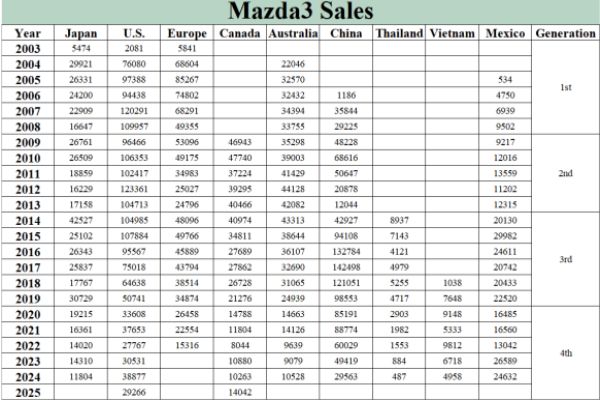
This dataset presents annual sales figures of the model from 2003 to 2025 across major markets including Japan, the U.S., Europe, Canada, Australia, China, Thailand, Vietnam, and Mexico. The data is also categorized by vehicle generation to help analyze long-term market trends.
Q2: Which market has the largest overall sales volume?
The U.S. market consistently records the highest sales volume, followed by China, Japan, and Europe. These regions remain the core markets for this model worldwide.
Q3: What can we learn from the sales trend in China?
China experienced strong growth during the third generation, reaching peak annual sales above 130,000 units. Although volumes declined in the fourth generation, the market remains stable, indicating a shift from rapid expansion to a more mature phase.
Q4: How does the Japanese domestic market perform?
Japan shows relatively stable annual sales, typically ranging between 14,000 and 30,000 units, reflecting a mature market with steady demand and high brand loyalty.
Q5: Why has the European market declined in recent years?
Stricter emissions regulations, increased electrification, and changing consumer preferences have reduced demand for traditional gasoline models, resulting in lower or inconsistent sales figures.
Q6: Which generation performed the strongest overall?
The third generation achieved the best overall performance, particularly in the U.S. and China, indicating strong acceptance in terms of design, positioning, and market timing.
Q7: Do emerging markets such as Thailand, Vietnam, and Mexico have growth potential?
Yes. While current volumes are smaller than major markets, these regions show steady growth and represent promising opportunities for future expansion.
Q8: How do these sales figures relate to the automotive aftermarket industry?
Higher vehicle population directly translates into stronger demand for exterior accessories and modification parts. Markets with large sales volumes are typically priority regions for aftermarket development.
Q9: Should exterior parts be developed differently for each generation?
Yes. Each generation has unique body dimensions and styling, requiring generation-specific designs for front lips, side skirts, rear diffusers, and spoilers to ensure proper fitment and appearance.
Q10: Why are custom spoilers especially important for this model?
Spoilers significantly enhance the sporty appearance and vehicle identity. For high-volume models, dedicated spoiler development can quickly create scalable aftermarket demand.
Q11: Can this data be used for market entry or expansion decisions?
Absolutely. Stable high-volume markets are ideal for immediate investment, while fast-growing emerging markets offer early-mover advantages.
Q12: What are the future trends for exterior aftermarket parts?
Lightweight materials, easy installation designs, OE-style fitment, and multiple style options will be key development directions.