Fangchengbao Leopard 5 vs Leopard 8-A Comprehensive Comparison of BYD's Hybrid Off-Road SUVs
As the global automotive industry shifts toward electrification, one segment has always stood slightly apart: off-road SUVs. Fangchengbao's Leopard 5 and Leopard 8 are two of the most talked-about hybrid SUVs in BYD's lineup. While they share similar styling and the same DMO hybrid platform, each model is designed for different drivers and purposes. Leopard 5 focuses on compact agility and city-friendly versatility, whereas Leopard 8 emphasizes spacious comfort and long-distance stability. This article provides a detailed, side-by-side comparison of Leopard 5 and Leopard 8, covering size, interior, performance, off-road capability, and everyday usability to help you decide which model fits your needs.
Fangchengbao's Core Idea: Rebuilding the Off-Road SUV
Before comparing the two models, it is important to understand the logic behind the Fangchengbao brand.
Rather than simply electrifying traditional off-road vehicles, Fangchengbao takes a different approach:
use hybrid technology, intelligent control, and software integration to redesign how off-road SUVs work.
This philosophy is embodied in BYD's DMO hybrid off-road platform, which both Leopard 5 and Leopard 8 are built upon.
The goal is not extreme off-road performance at all costs, but balanced capability that works on highways, in cities, and on unpaved terrain.
Are Leopard 5 and Leopard 8 Meant to Compete?
Although often compared, Leopard 5 and Leopard 8 are not direct competitors.
From a product planning perspective, they are positioned as:
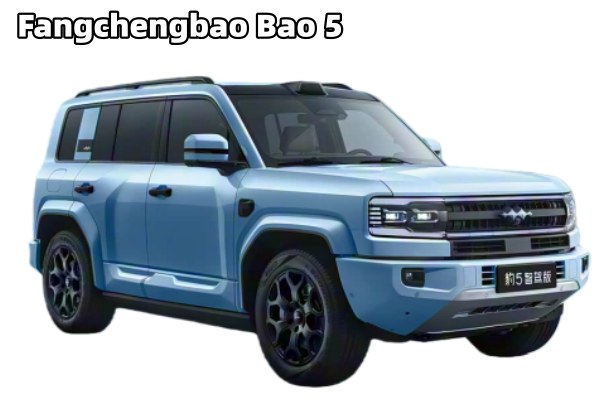
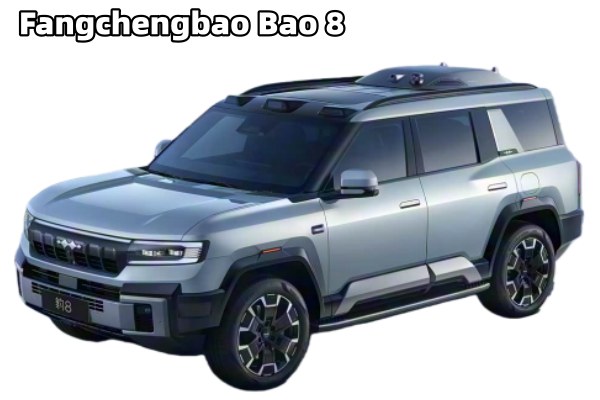
Two size classes: Fang Cheng Bao Leopard 5 is a plug-in hybrid mid-size SUV. Fang Cheng Bao Leopard 8 is a plug-in hybrid full-size SUV.
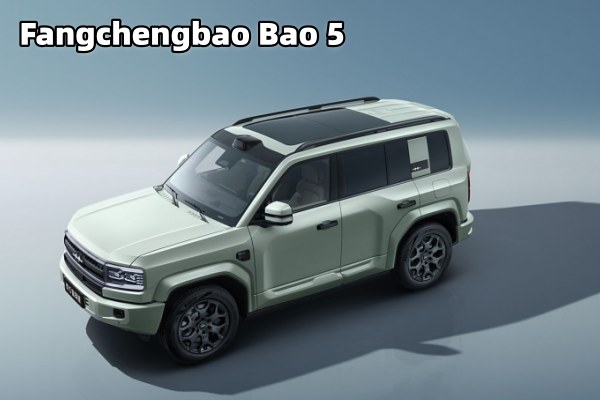
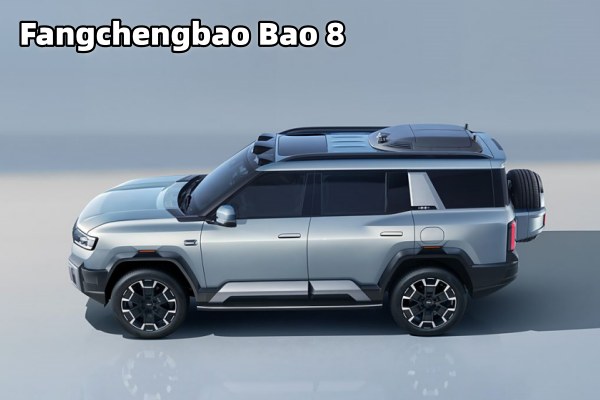
Two usage priorities: The Leopard 5 focuses on "city + light off-road", emphasizing agility, handling and everyday driving convenience. The Leopard 8 focuses on "comfort + long-distance + versatility", emphasizing space, stability and load-bearing capacity.
Two levels within the same technology system: The Leopard 5 is tuned for a lighter and more agile feel, while the Leopard 8 is tuned for greater stability, comfort, and load-carrying capacity.
Leoprd 5 serves as a more accessible and manageable entry into Fangchengbao's off-road lineup, while Leopard 8 expands the same concept into a larger, more versatile form.
This distinction becomes clearer when examining each aspect in detail.
Fangchengbao Leopard 5 vs Leopard 8: Vehicle Size and Overall Proportions
Leopard 5: Controlled and Compact
Leopard 5 falls into the mid-size off-road SUV category. Its proportions are relatively tight, giving it a more controlled appearance.
From a practical standpoint, this translates into:
Easier maneuverability in urban areas
Less physical and psychological burden for daily driving
A familiar feeling for drivers upgrading from standard SUVs
Its design emphasizes functionality without excess, making it approachable even for first-time off-road SUV owners.
Leopard 8: Expanded and Commanding
Leopard 8 is significantly larger. The increased body length, roofline extension, and wider rear create a strong visual presence.
This additional size is not purely aesthetic. It supports:
Greater interior space
More flexible seating layouts
Improved comfort on long-distance journeys
Leopard 8 feels less like a specialized tool and more like a multi-purpose flagship SUV.
Fangchengbao Leopard 5 vs Leopard 8: Interior Layout and Passenger Experience
Interior space is one of the most decisive differences between the two models.
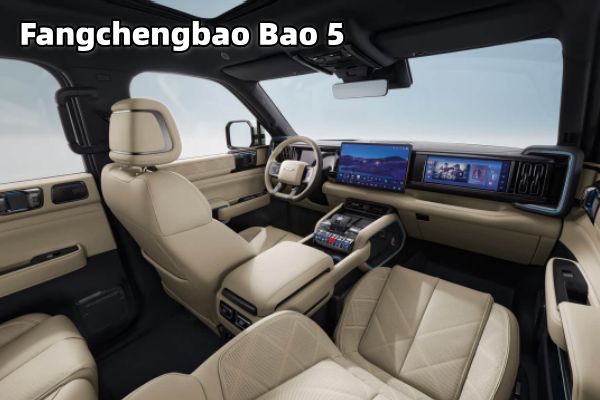
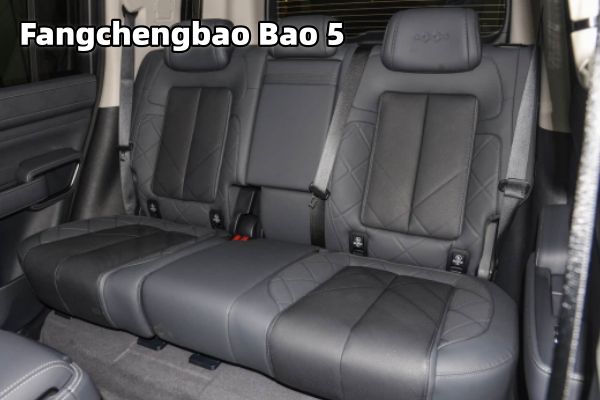
Leopard 5 is typically configured as a five-seat vehicle, prioritizing front and rear passenger comfort within a compact footprint.
Leopard 8 offers more seating and cargo flexibility, making it better suited for families, group travel, or extended trips.
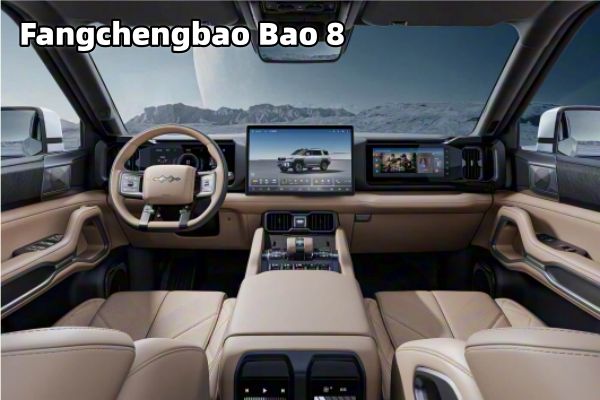
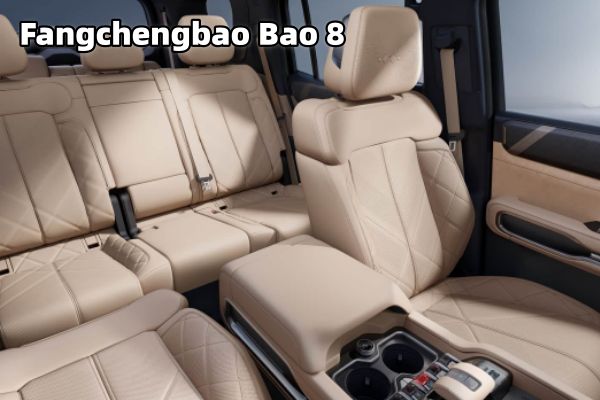
For users who regularly carry multiple passengers or equipment, Leopard 8's interior layout offers clear advantages.
Fangchengbao Leopard 5 vs Leopard 8: Powertrain and Driving Character
Both Leopard 5 and Leopard 8 use BYD's DMO hybrid off-road system, combining electric motors with an internal combustion engine.
Rather than focusing on peak output figures, this system is designed around:
Precise low-speed torque control
Smooth power delivery
Improved efficiency compared to traditional off-road powertrains
Despite sharing the same platform, the driving feel differs.
Leopard 5 feels more agile and responsive, particularly in mixed urban and highway driving.
Leopard 8 feels more planted and composed, especially at higher speeds or under load.
These differences stem not from raw power, but from vehicle mass, wheelbase, and tuning priorities.
Fangchengbao Leopard 5 vs Leopard 8 Off-Road Capability: Intelligence Over Force
Neither Leopard 5 nor Leopard 8 is positioned as a hardcore, mechanical-only off-road machine.
Instead, both emphasize intelligent off-road assistance, where software, sensors, and electric motors play a central role.
Leopard 5 performs best in moderate off-road scenarios where control and accuracy matter more than brute force.
Leopard 8 is better suited for long-distance travel across mixed terrain, where stability, endurance, and comfort become critical.
The distinction is subtle but important:
they approach off-road driving with different priorities.
Fangchengbao Leopard 5 vs Leopard 8: Daily Usability and Ownership Considerations
From an ownership perspective, the gap between the two models becomes even more apparent.
Leopard 5 Ownership Profile
Suitable as a daily vehicle
Easier to integrate into city life
Lower entry barrier for off-road beginners
Leopard 8 Ownership Profile
Ideal for families or multi-role use
Better for long road trips
More premium in overall feel
Choosing between them is often less about specifications and more about lifestyle.
Fangchengbao Leopard 5 vs Leopard 8: Exterior Design and Visual Balance
Although Leopard 5 and Leopard 8 share the same design language, their proportions give them distinct personalities.
Leopard 5 appears more compact and technical.
Leopard 8 emphasizes width, height, and visual authority.
These differences are especially noticeable from the rear, where roof length, rear window angle, and tailgate proportions vary significantly.
Aftermarket Considerations and Subtle Personalization
As owners become familiar with their Fangchengbao vehicles, many start considering light exterior personalization. Subtle adjustments that respect the vehicle's original design often work best, enhancing aesthetics without compromising proportions or balance.
For Fangchengbao Leopard 5 and Leopard 8, one popular option is the rear roof spoiler. At Haosheng Vehicle Parts, we have developed model-specific Denza B5 rear window roof spoiler and Denza B8 rear tail wing spoiler, designed to seamlessly match their rooflines and rear profiles. In addition, we are open to developing more plastic exterior components for these models if customers have specific needs, providing tailored solutions that maintain the factory look while allowing subtle personalization.
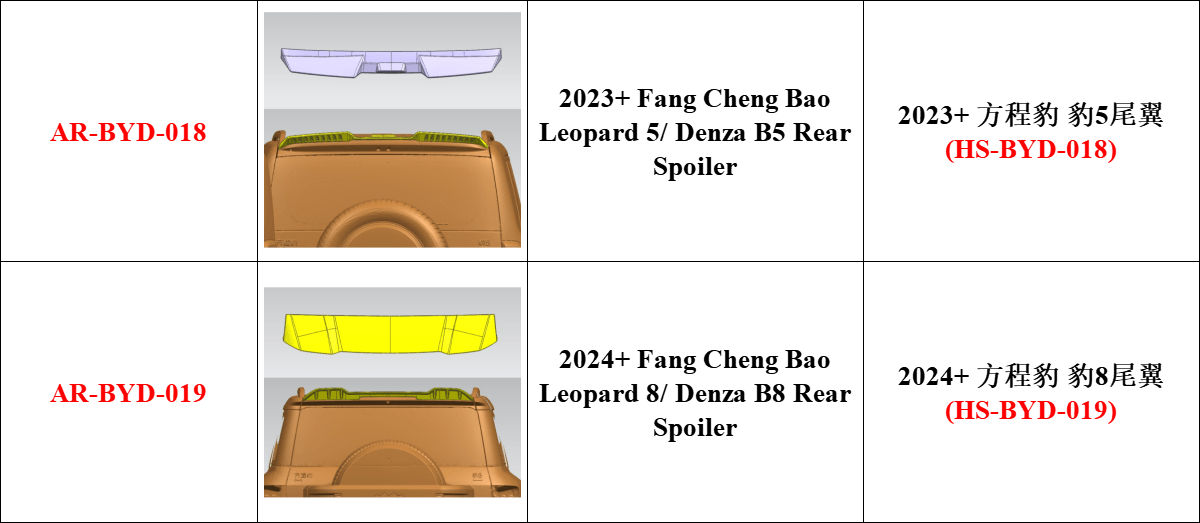
This approach ensures that owners can enhance their vehicles' appearance without overdoing it, combining style, harmony, and the potential for future customization.
Choosing Between Leopard 5 and Leopard 8
The decision ultimately depends on usage needs rather than technical superiority.
Choose Denza B5 if your priority is balance, daily usability, and manageable size.
Choose Denza B8 if you need space, flexibility, and long-distance comfort.
Both vehicles succeed within their intended roles.
Final Conclusion
Fangchengbao Leopard 5 and Leopard 8 represent two carefully planned interpretations of the same idea:
bringing intelligent hybrid technology into the off-road SUV segment.
Leopard 5 emphasizes accessibility and efficiency.
Leopard 8 emphasizes completeness and versatility.
They are not rivals, but complementary solutions within the Fangchengbao lineup.
For buyers and enthusiasts alike, understanding these differences is the key to making an informed choice.