Used F10 BMW 5 Series Buying Guide: Best Engines, Common Problems
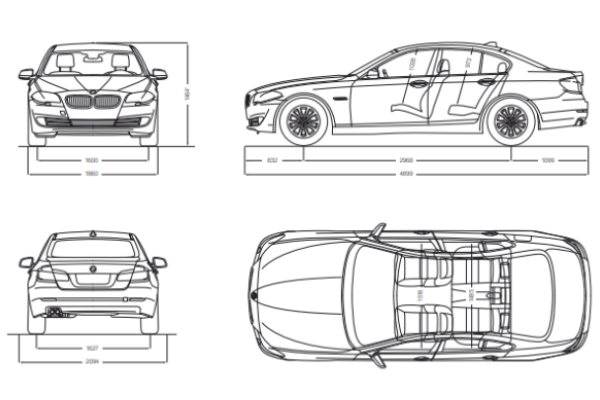
Introduction: A Return to Form and Function
The BMW 5 Series has long been considered a benchmark in the executive sedan segment, successfully blending executive class with engaging performance. The sixth-generation model, the F10, launched in the US for he 2011 model year, marked a significant departure from its predecessor, the polarizing E60. Drawing inspiration from the larger F01 7 Series, the F10 offered a more traditional, refined, and luxurious aesthetic.
Running from 2011 to 2017, the F10 generation brough advanced technology and a priority on executive poise. With production having ended years ago, it remains a highly appealing choice on the used market, offering premium features and timeless design at a fraction of its original cost.
A crucial point for any prospective buyer is te Life Cycle Impulse (LCI), or facelift, which arrived for the 2014 model year. This update addressed several early-model quirks, improved aesthetics (LED lights, revised bumpers), and upgraded the interior tech, making LCI models generally the more desirable choice.
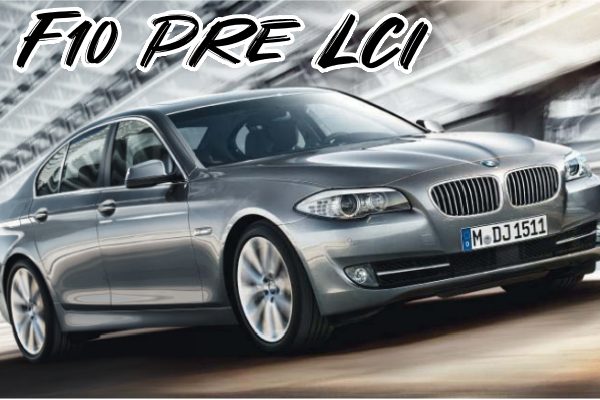
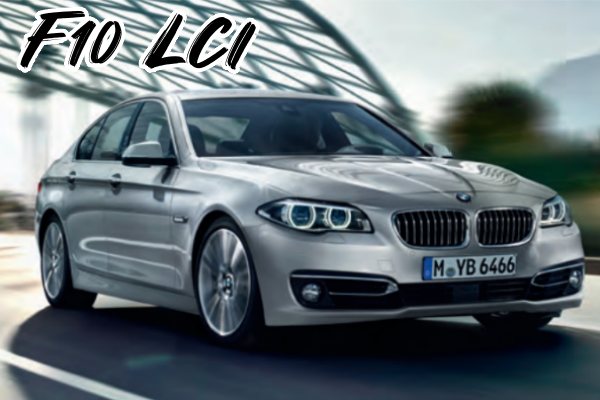
Section 1: F10 Engine, Transmission, and Drivetrain Breakdown (Best Engines)
The F10 came with a comprehensive lineup of turbocharged, direct-injection engines, designed for both performance and efficiency. All models (excluding the manual options) were mated to the globally renowned ZF 8-speed automatic gearbox, celebrated for its reliability and smooth operation.
| Engine Code | Model Years | Configuration | Horsepower | Key Takeaways |
| N20 | 2012–2016 (528i) | 2.0L Turbo Inline-4 | 240 hp, 260 lb-ft | The highly efficient entry point. Replaced the less powerful naturally aspirated inline-6 from 2011. Excellent for daily driving and fuel economy (EPA: 24/34 MPG). |
| N55 | 2011–2016 (535i) | 3.0L Turbo Inline-6 | 300–306 hp, 300 lb-ft | The enthusiast's choice for balance. Praised for its linear power delivery and sprightly performance. Also served as the basis for the ActiveHybrid 5. |
| N57 | 2014–2016 (535d) | 3.0L Turbodiesel Inline-6 | 255 hp, 413 lb-ft | The torque king. Exclusive to the US market, the 535d delivers outstanding efficiency (EPA: 26/38 MPG) and effortless pulling power. |
| N63/S63 | 2011–2016 (550i/M5) | 4.4L Twin-Turbo V8 | 400–600 hp | Powers the powerful 550i (N63) and the high-performance M5 (S63). Caution: The pre-facelift N63 is notorious for major issues (see Section 3). |
Section 2: F10 Interior, Features, and Executive Luxury
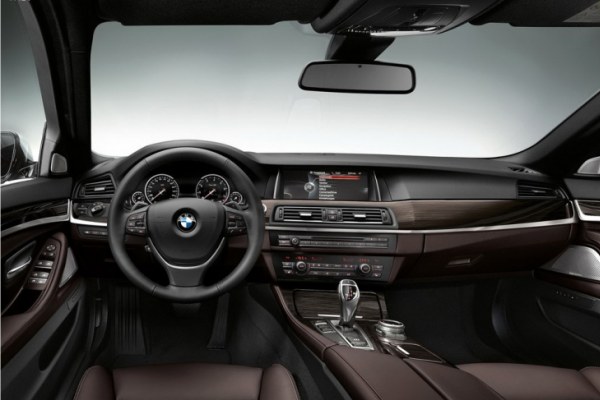
True to its executive mission, the F10 interior is a refined space that holds up well today.
Materials and Design: The cabin boasts soft-touch plastics, high-gloss black or wood-trimmed dashes, and standard Dakota leather (upgradable to supple Nappa leather).
Technology & Infotainment:The LCI update (2014+) brought the most significant tech jump. Owners benefited from the refined iDrive 3.0 system with a 10.2” navigation screen, an optional 10.25” digital cluster, and an available Head-Up Display (HUD).
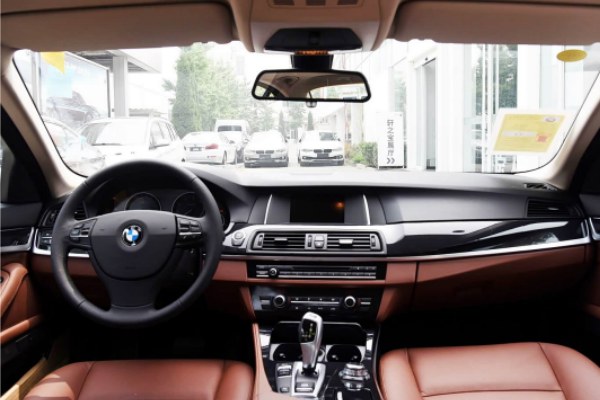
Comfort & Amenities: The F10 offered dual-zone climate control (upgradeable to four-zone), heated/ventilated front seats with memory functions, and optional massage functionality. Luxury touches like soft-close doors and customizable ambient lighting added to the sense of polish.
Audio Options: Buyers could choose from the standard 12-speaker HiFi system, the 16-speaker Harman Kardon (600W), or the top-tier Bang & Olufsen (1,600W, 16 speakers) system.
Section 3: The Critical Buyer's Checklist (F10 Common Problems)
While the F10 was more reliable than its predecessor, it is not faultless. Buyers must be diligent about maintenance history and inspection.
A. Engine & Mechanical Issues
N63 V8 Engine (2011–2013 550i/M5): MAJOR CONCERN. The pre-facelift 4.4L twin-turbo V8 suffers from significant heat management issues, leading to excessive oil consumption, turbo leaks, and in severe cases, costly bearing failures. We strongly advise avoiding these early V8 models.
Timing Chain: Stretched timing chains are a potential issue on N20 and N55 engines, requiring an expensive repair.
Cooling System: Water pumps and thermostats are common failure points across multiple engines.
Oil Leaks: Valve cover gaskets are prone to leaking over time.
Vanos Solenoids: These solenoids on the N52/N55 engines can seize, affecting valve timing and performance.
Drivetrain: The front differentials on xDrive (AWD) models can wear prematurely depending on the previous owner's driving habits.
B. Electrical and Safety Concerns
iDrive System: Early models may experience the system freezing or electrical glitches, which were largely ironed out in the LCI models.
Suspension: Control arms and bushings should be carefully inspected, as wear can affect the car's handling.
Recalls: Always check the VIN against the NHTSA database. Notable recalls include issues with the fuel pump, faulty fuel level sensors, and the dangerous Exhaust Gas Recirculation (EGR) cooler corrosion/melting, which poses a fire risk.
Section 4: Cost of Ownership and Maintenance
Prospective F10 owners must recognize that BMW upkeep is premium-priced. While annual repair costs are on par with rivals like the Mercedes-Benz E-Class, they are higher than average.
Note: Consumable parts are expensive. A set of standard 255/45 R18 run-flat tires can easily cost over $1,000, and brake jobs (pads and rotors) are significant expenditures. Strict adherence to the factory maintenance schedule, including early oil changes, is the best defense against major mechanical failure.
Conclusion: Our Verdict – What to Buy, What to Avoid
The BMW F10 is a luxurious, well-engineered sedan that, when purchased correctly, can provide years of executive driving pleasure.
✅ Buy This:
Post-Facelift (2014–2016) 535i xDrive: The recommended choice.
Post-Facelift (2014–2016) 535d: The intelligent choice for the high-mileage driver.
❌ Avoid This:
Pre-Facelift (2011–2013) 550i and M5: The early 4.4L twin-turbo V8 (N63) is a liability.
By favoring post-facelift models and performing a thorough pre-purchase inspection that specifically checks for the known common issues, you can secure an F10 5 Series that still feels modern and delivers the signature BMW executive experience.
Enhance Your F10: Custom Exterior Upgrades by Haosheng
For owners who have secured their ideal F10 and wish to personalize or enhance its sporty executive appearance, Changzhou Haosheng Vehicles Parts Co., Ltd. offers a dedicated line of aftermarket exterior parts. We have engineered and developed a full suite of cosmetic upgrades specifically for the 6th-generation 5 Series (2010–2016).
Our extensive catalog includes performance-inspired f10 exterior accessories such as stylish f10 roof wing and f10 rear spoilers (including aggressive M4, PSM, and M5 styles), sharp f10 front lip and f10 rear diffuser lips, striking f10 front grilles (without logo), sleek f10 side skirts, f10 rear side window louver trim, f10 side mirror caps and f10 headlight brows.
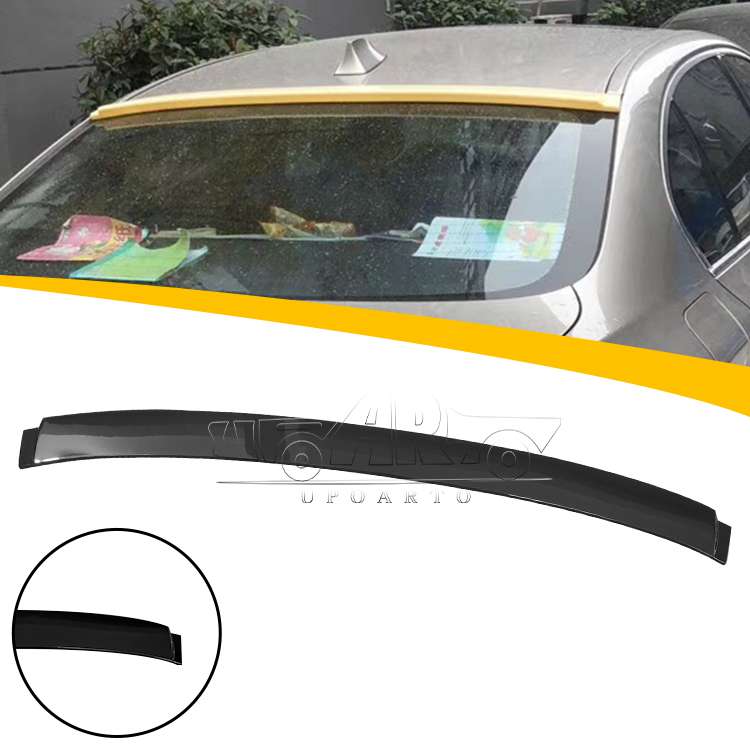 2010-2016 BMW 5 Series F10 Roof Spoiler | 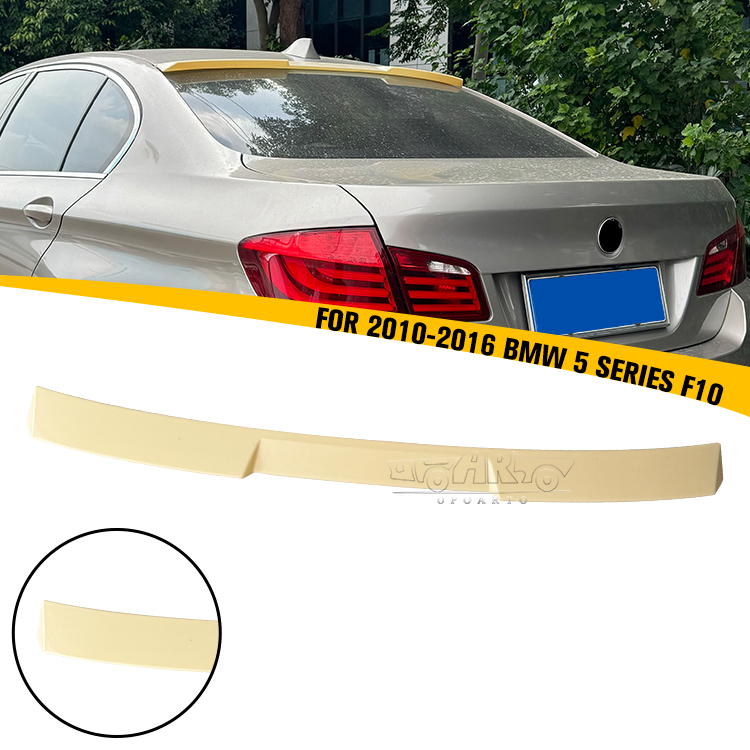 2010-2016 BMW 5 Series F10 M4 Style Roof Spoiler | 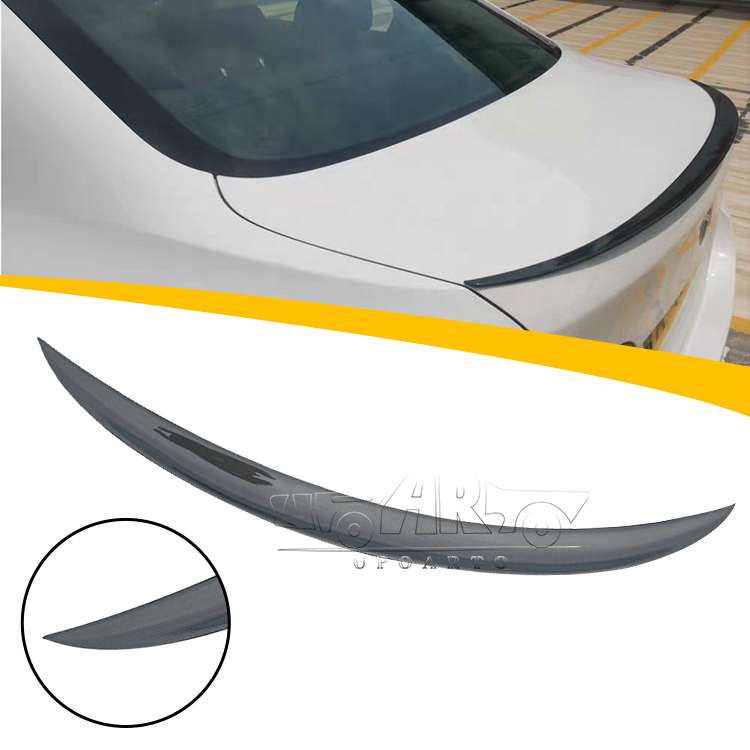 2010-2016 BMW 5 Series F10 P Style Rear Spoiler | 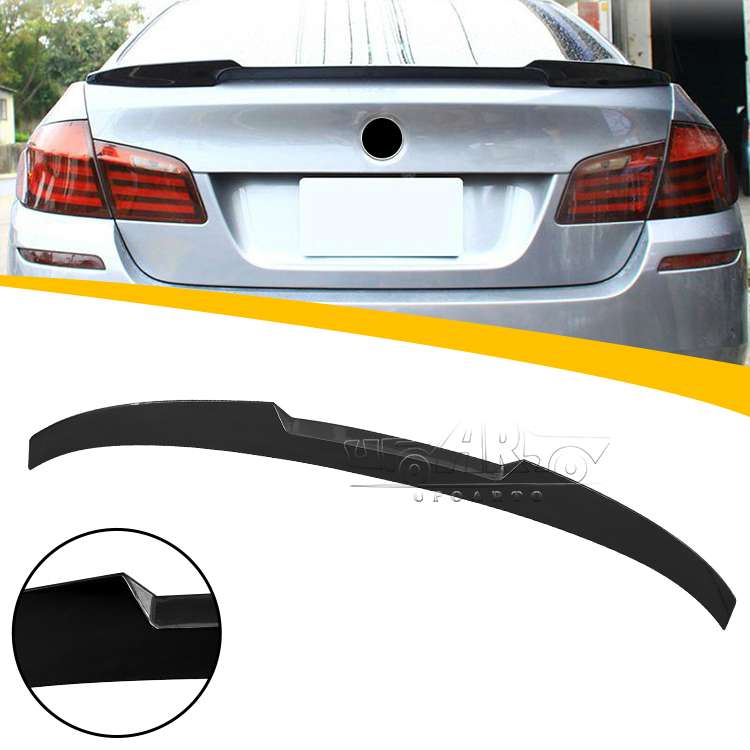 2010-2016 BMW 5 Series F10 M4 Style Rear Spoiler | 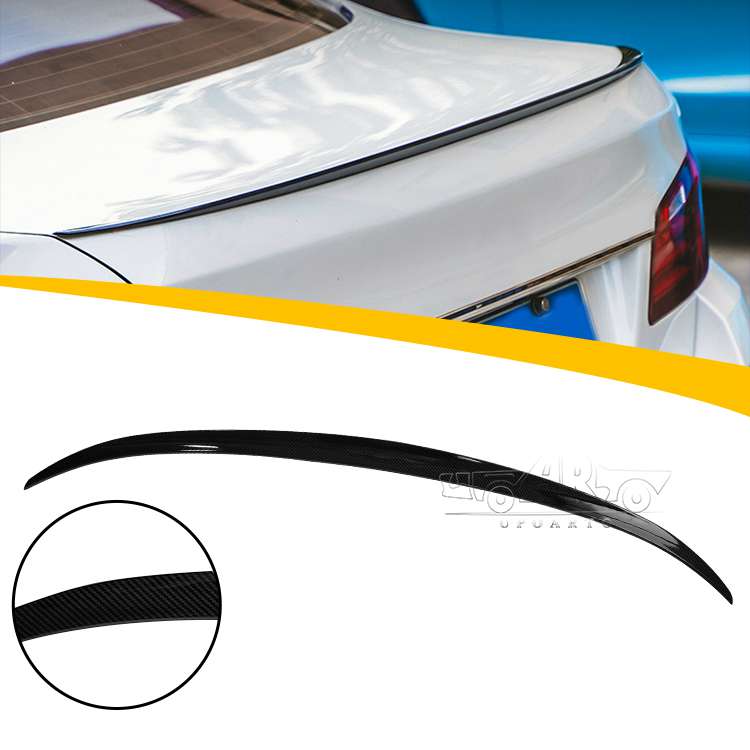 2010-2016 BMW 5 Series F10 M5 Style Rear Spoiler | 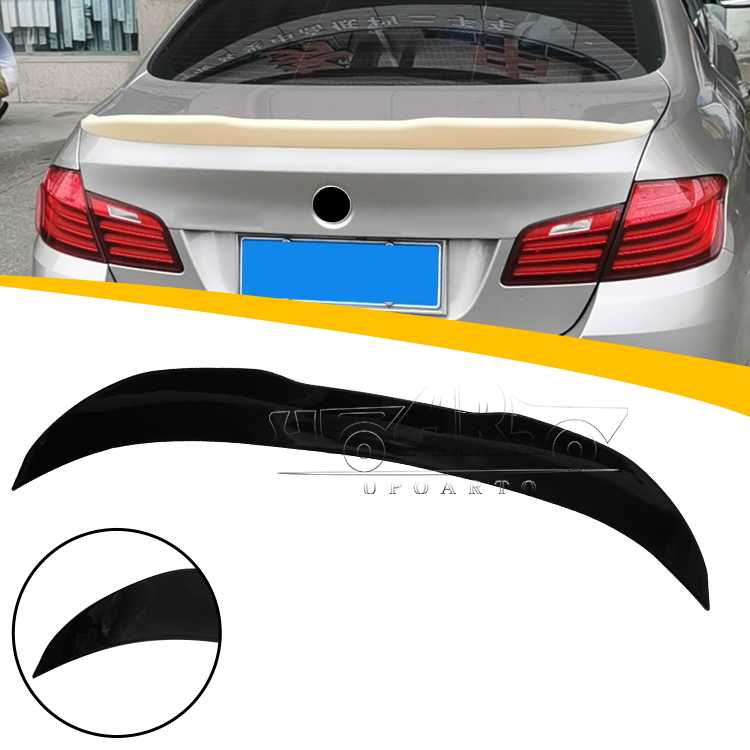 2010-2016 BMW 5 Series F10 PSM Style Rear Spoiler |
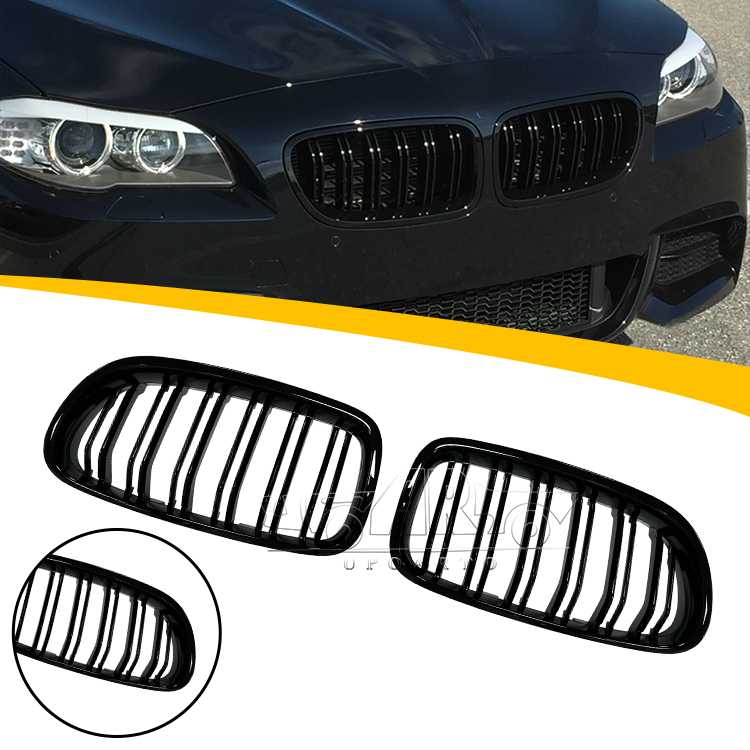 2010-2016 BMW 5 Series F10 Front Grille(No Logo) | 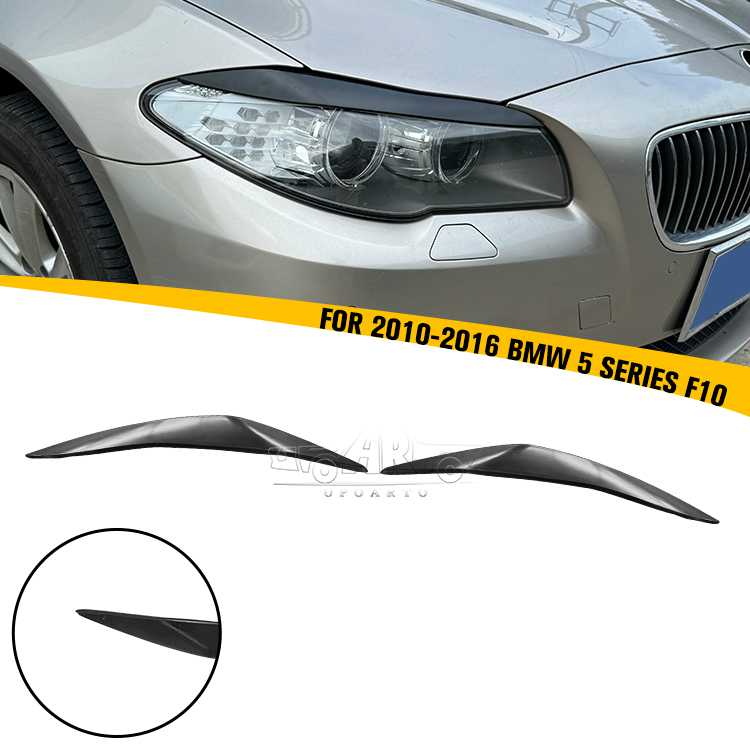 2010-2016 BMW 5 Series F10 Light Brow |  2010-2016 BMW 5 Series F10 M Tech Car Front Lip(2 Sections) | 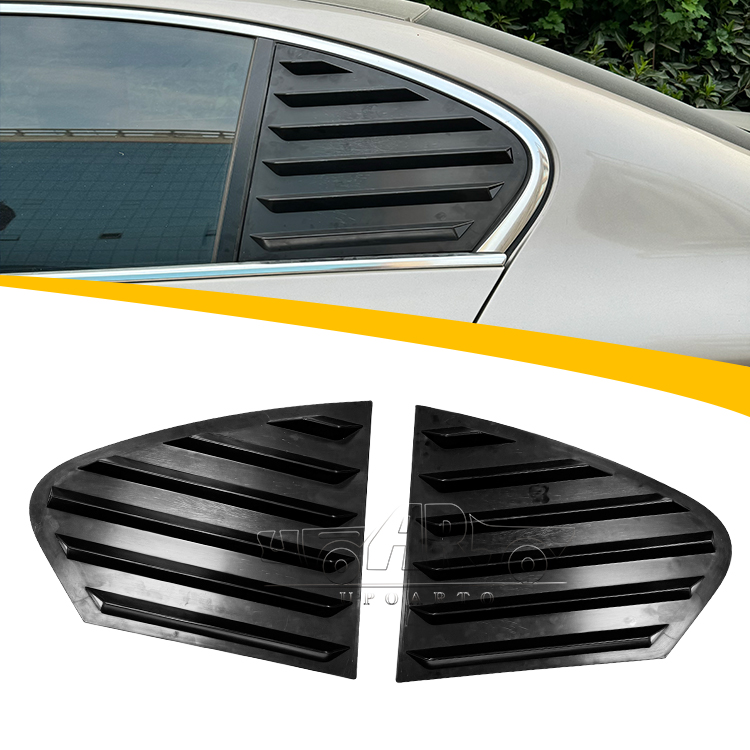 2010-2016 BMW 5 Series F10 Rear Window Louver Trim |
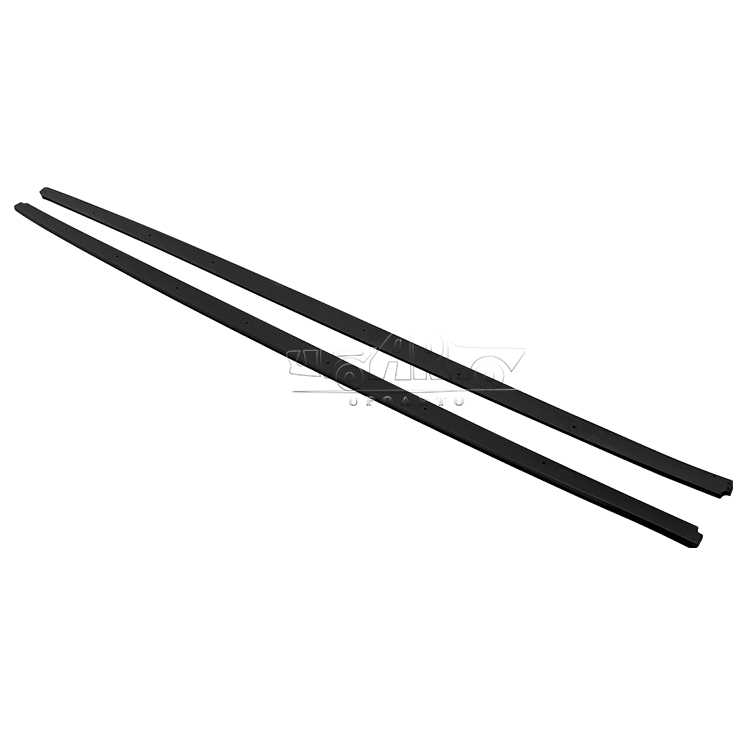 2010-2016 BMW 5 Series F10 MP Style Side Skirt | 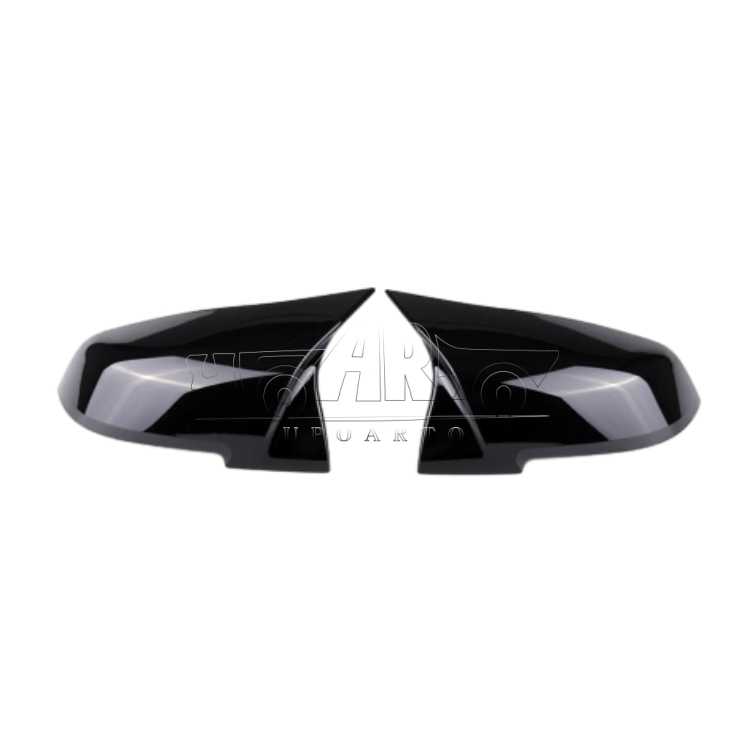 BMW F10 F18 F06 F12 F13 F01 F02 Replacement Side Mirror Caps Cover | 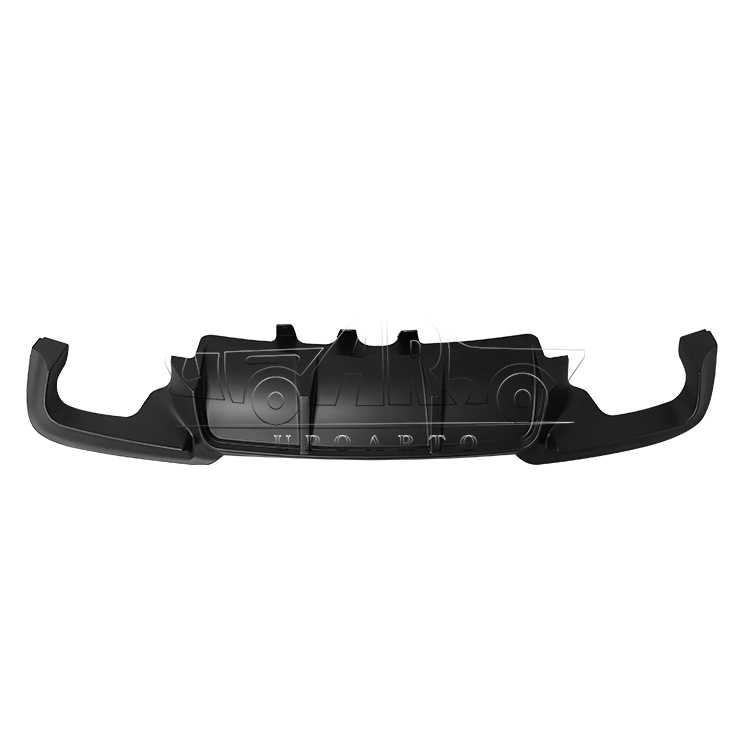 2010-2016 BMW 5 Series F10 Rear Lip |
Upgrade your BMW 5 Series F10 with quality, custom-designed exterior modifications from Haosheng and give your 5 Series a truly unique and dynamic look.