A Beginner's Guide to Front Lip
What is a Front Lip? Advantages and Disadvantages of Installing a Front Lip Types of Front Lips How to Install a Front Lip Based on Material? How to Choose the Right Front Lip? How Much Does a Front Lip Cost? Where to Buy Front Lips? Frequently Asked Questions About Front Lips Conclusion
Among all car exterior modifications, the front lip is undoubtedly the favorite among car enthusiasts. According to Google Trends, global searches for front lip are almost twice as popular as searches for other exterior parts, such as rear spoilers, roof spoilers, or side skirts. Similarly, multiple industry market analyses have confirmed that front lips have always been one of the most popular after-sales accessories in the world.

This growing popularity is no accident. The front lip is simple yet functional – it significantly enhances the vehicle's appearance while providing practical functionality. However, the world of lip balms can be confusing for beginners: different materials, designs, and installation methods all pose some challenges.
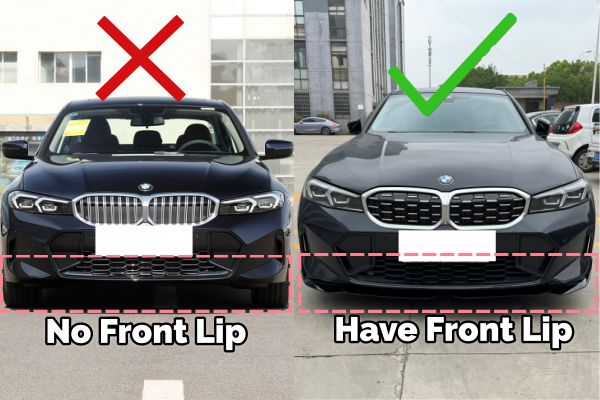
What is a Front Lip?
A front lip, also known as a front bumper lip splitter or front spoiler, is an additional device installed at the bottom of the front bumper of a car. Its primary uses include:
⑴ Front Lip Can Improve Aerodynamics: It helps reduce airflow under the vehicle and increases downforce, thereby improving stability.
⑵ Front Lip Can Protect the Car - Cushions over small road bumps, curbs or speed bumps.
⑶ Front Lip Can Show Uniqueness of the Car: Gives the vehicle a sportier, lower, more aggressive stance.
A front lip is often confused with a splitter or body kit. Splitters are specifically designed to push air upward for maximum downforce, while front lip spoilers often combine aesthetics with modest aerodynamic benefits.
Advantages and Disadvantages of Installing a Front Lip
Advantages:
⑴ Adds a sporty and aggressive look.
⑵ Improves aerodynamics and high-speed handling.
⑶ Protects the lower part of the bumper from scratches and minor impacts.
⑷ Compared with the full surround kit, it is relatively easy to install and the cost is relatively low.
Disadvantages:
⑴ Reduces ground clearance, making the vehicle more susceptible to scratches.
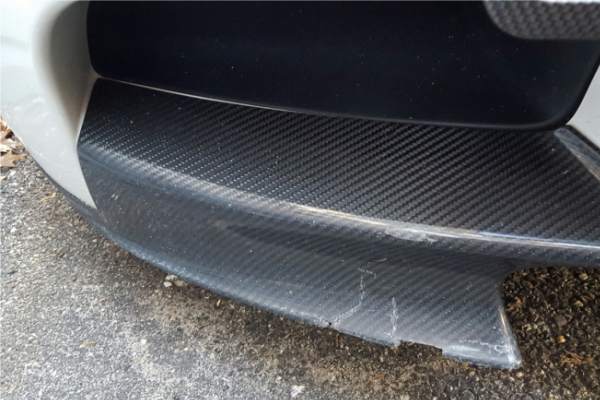
⑵ Cheap materials may crack or warp over time.
⑶ Improper installation may affect airflow or cause noise.
⑷ If it is damaged frequently, it may increase maintenance and repair costs.
Types of Front Lips
Front lips can be classified in several ways, depending on their material, installation method, style, and structure:
By Material
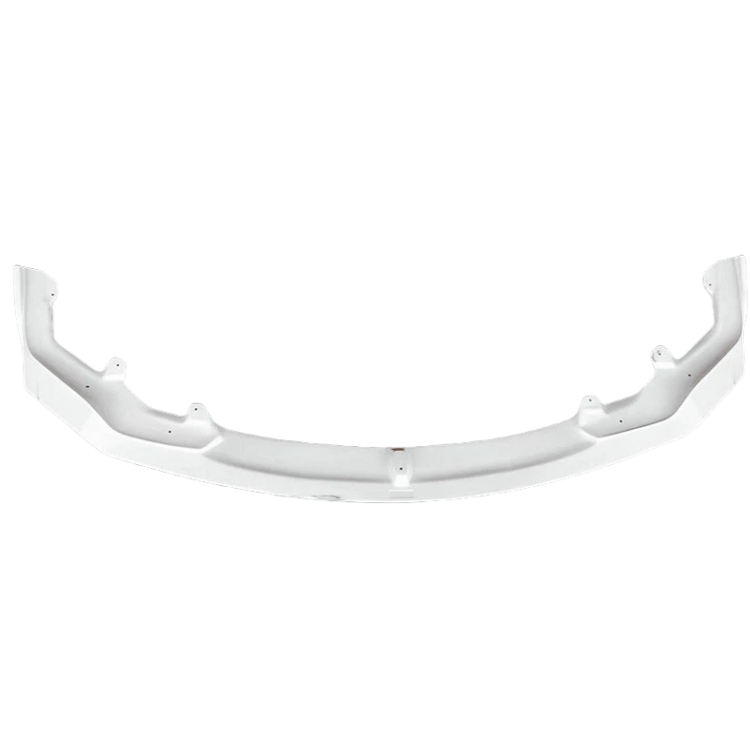
ABS Plastic Front Lip – Lightweight, durable, and cost-effective, making it the most common option.
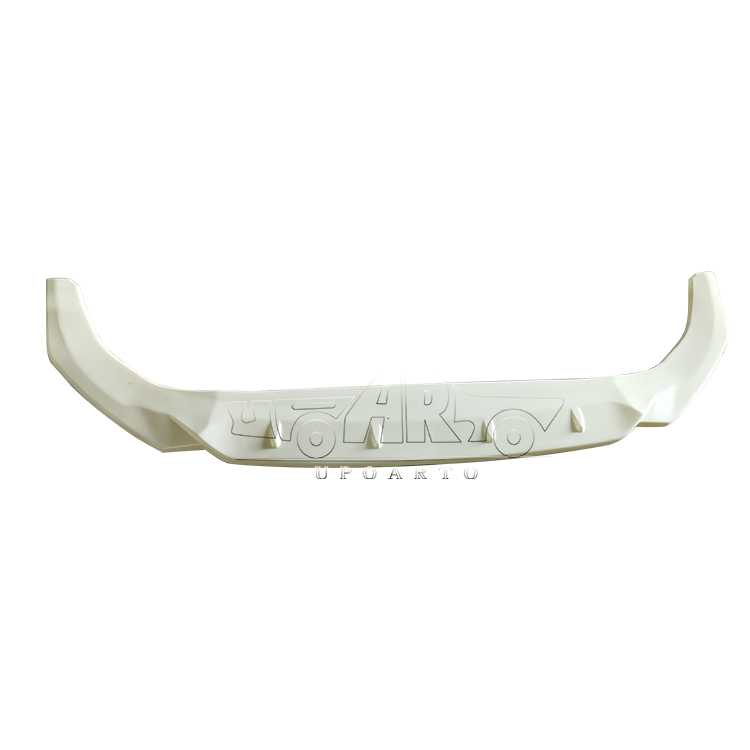
Polypropylene (PP) Front Lip – Flexible and impact-resistant, often used in OEM parts.

Carbon Fiber Front Lip – Premium, lightweight, and stylish, but more expensive.
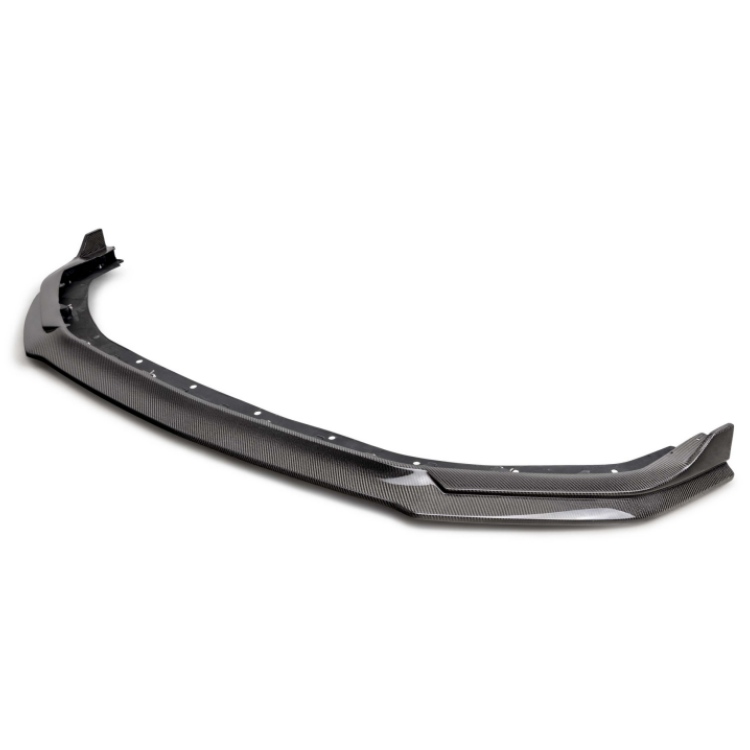
Fiberglass (FRP) Front Lip – Customizable but more brittle and less durable.
By Installation
Bolt-on / Screw-on – Secured with hardware, providing a strong and reliable fit.
Tape-on (3M tape) – Quick and easy installation, best for lighter lips.
Clip-on / OEM Fit – Direct-fit designs that use factory mounting points.
By Style
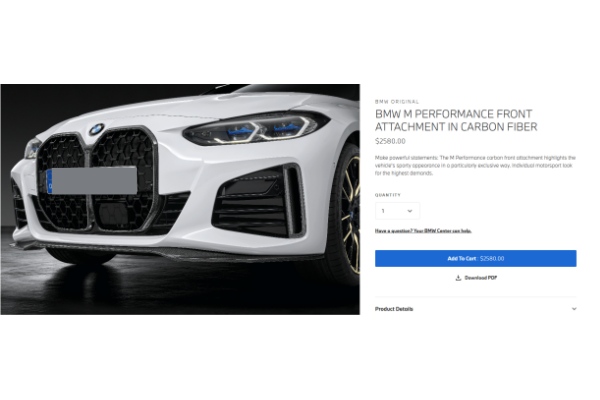
OEM Style Front Lip – Subtle, factory-like look that blends with the car's original design.
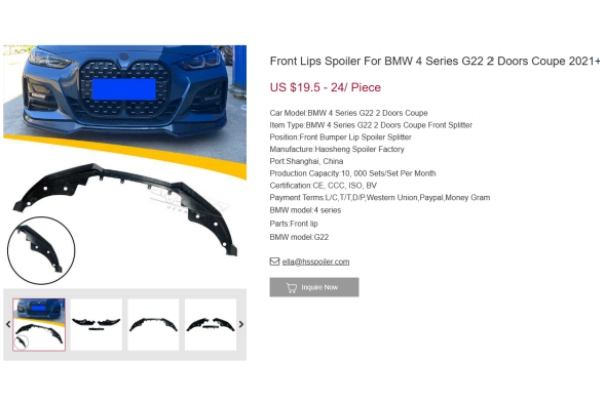
Aftermarket Style Front Lip – More diverse designs, from sporty and aggressive to highly customized.
By Structure
One-Piece Front Lip – A single, integrated unit that gives a clean and seamless appearance.
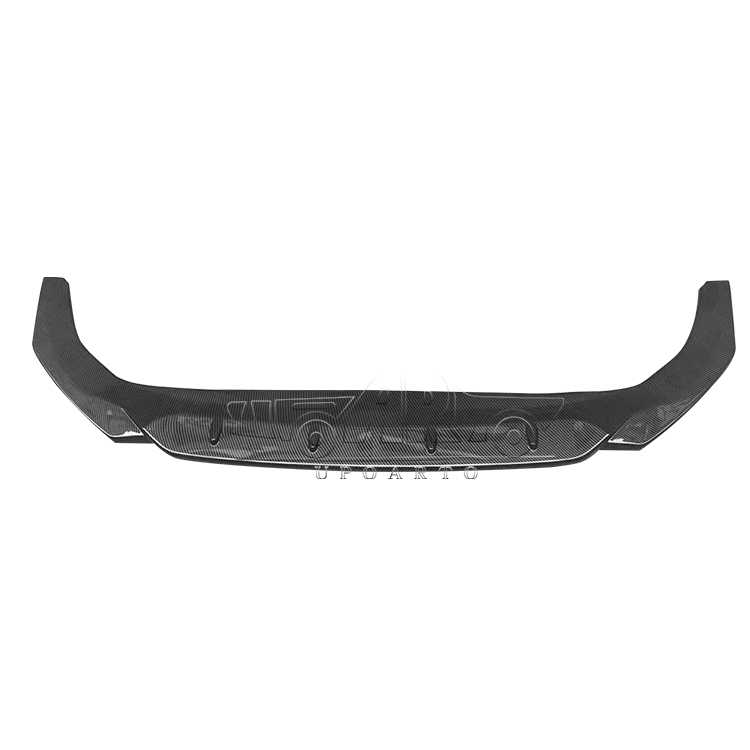
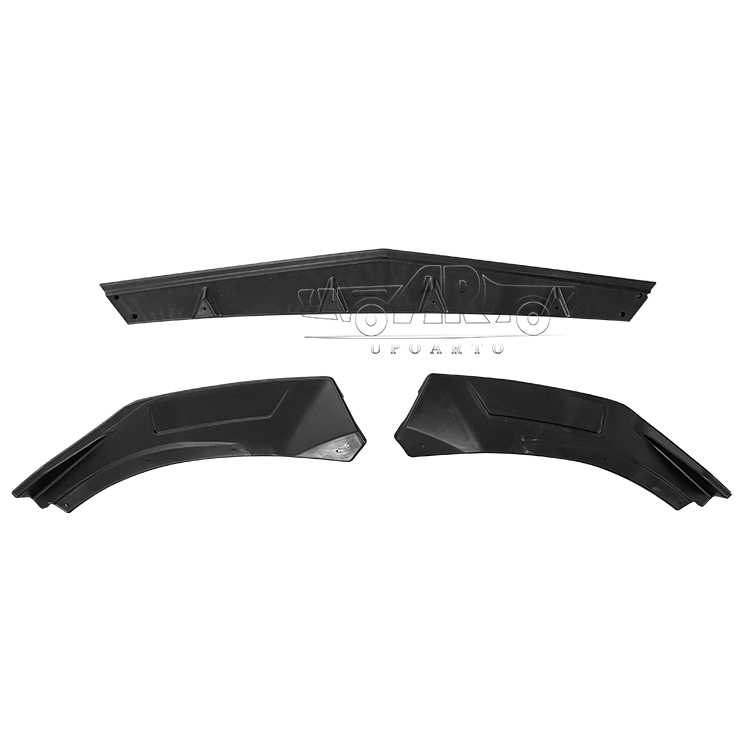
Split-Type Front Lip – Made of multiple sections (left, right, center), easier to ship and replace, but requires careful alignment during installation.
How to Install a Front Lip Based on Material?
Installing a front lip requires different approaches depending on the material, as each type has unique properties that affect flexibility, hardness, and durability.
About Installing ABS Plastic Front Lip
ABS plastic is lightweight, moderately rigid, and impact-resistant, making it one of the most common materials. Installation typically involves 3M double-sided tape combined with screws. The tape helps with initial positioning, while screws ensure long-term stability. If drilling is required, use the correct drill size and depth to avoid cracking the lip. Avoid excessive bending, especially in cold temperatures, as ABS can become brittle.
About Installing Polypropylene (PP) Front Lip
PP is highly flexible and resistant to minor impacts, which makes it forgiving during installation. Both adhesive tape and screws can be used effectively. When drilling, start with a small drill bit and gradually expand the hole to prevent tearing. PP lips are ideal for bumpers with complex curves and offer excellent durability.
About Installing Carbon Fiber Front Lip
Carbon fiber is lightweight, extremely rigid, and visually premium, but it is prone to cracking if mishandled. The recommended installation method is screws combined with adhesive tape. When drilling, add washers or spacers to distribute stress and prevent cracks. Due to its fragility and higher cost, professional installation is strongly advised.
About Installing Fiberglass (FRP) Front Lip
Fiberglass lips are highly customizable but brittle. They should be installed using screws plus strong adhesive for even load distribution. Avoid relying solely on tape, as FRP cannot withstand pulling forces. Handle the lip gently during installation to prevent breakage or chipping.
★ General Installation Steps ★
① Test-fit the lip: Place the lip on the bumper without securing it to check alignment and height.
② Clean the surface: Remove dirt, oil, and wax to ensure proper adhesion.
③ Fix the lip: Use screws, adhesive tape, or a combination, according to the material.
④ Check symmetry and clearance: Make sure the lip is level and has adequate ground clearance.
⑤ Final inspection: Tighten screws, press down adhesive areas, and remove any installation debris.
★ Tips & Precautions ★
① Always dry-fit before permanent installation.
② Use spacers or washers when drilling brittle materials to prevent cracking.
③ Check all fixings after a few days of driving, as vibration may loosen screws or tape.
④ For high-end materials like carbon fiber, professional installation is recommended to avoid costly damage.
How to Choose the Right Front Lip?
Car Model Compatibility: ensure the lip matches your car’s bumper design.
Driving Needs: daily driving requires a more practical design, while racing may need aggressive aerodynamic lips.
Budget: balance between price and quality—ABS is economical, carbon fiber is premium.
Durability: consider road conditions; flexible materials suit rougher roads.
Style Matching: the lip should complement wheels, side skirts, and overall body kit.
How Much Does a Front Lip Cost?
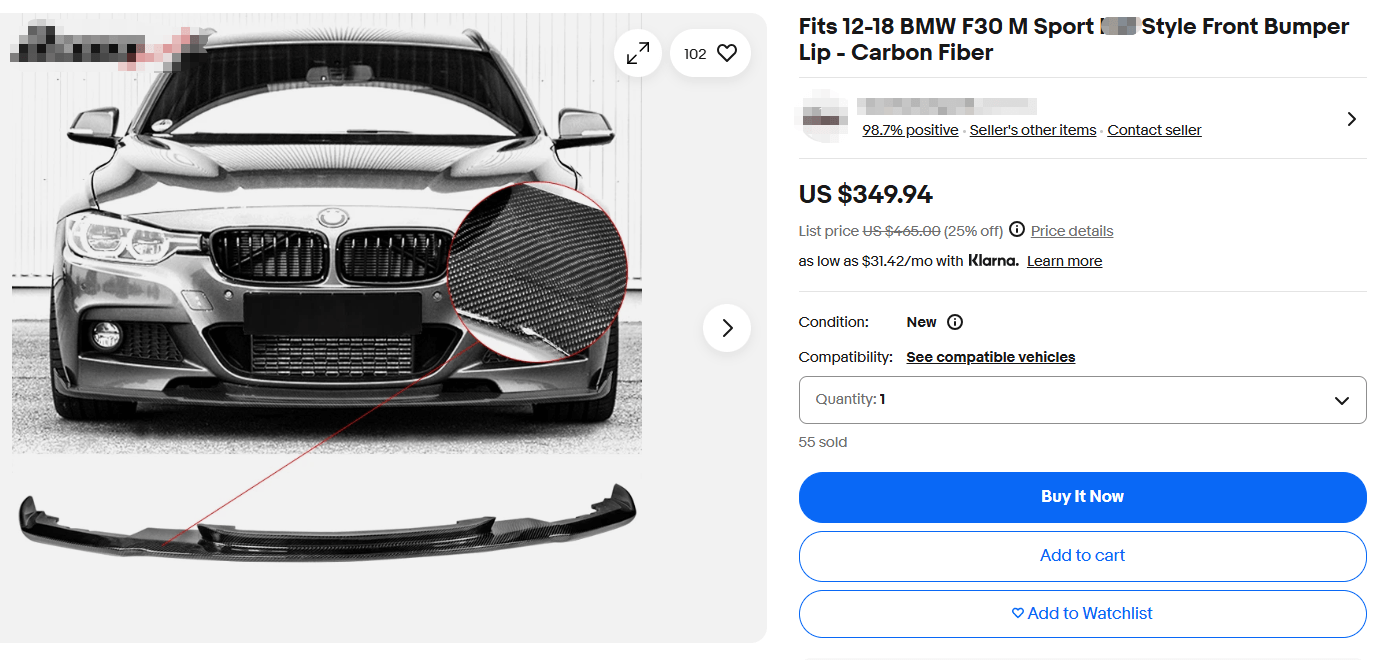
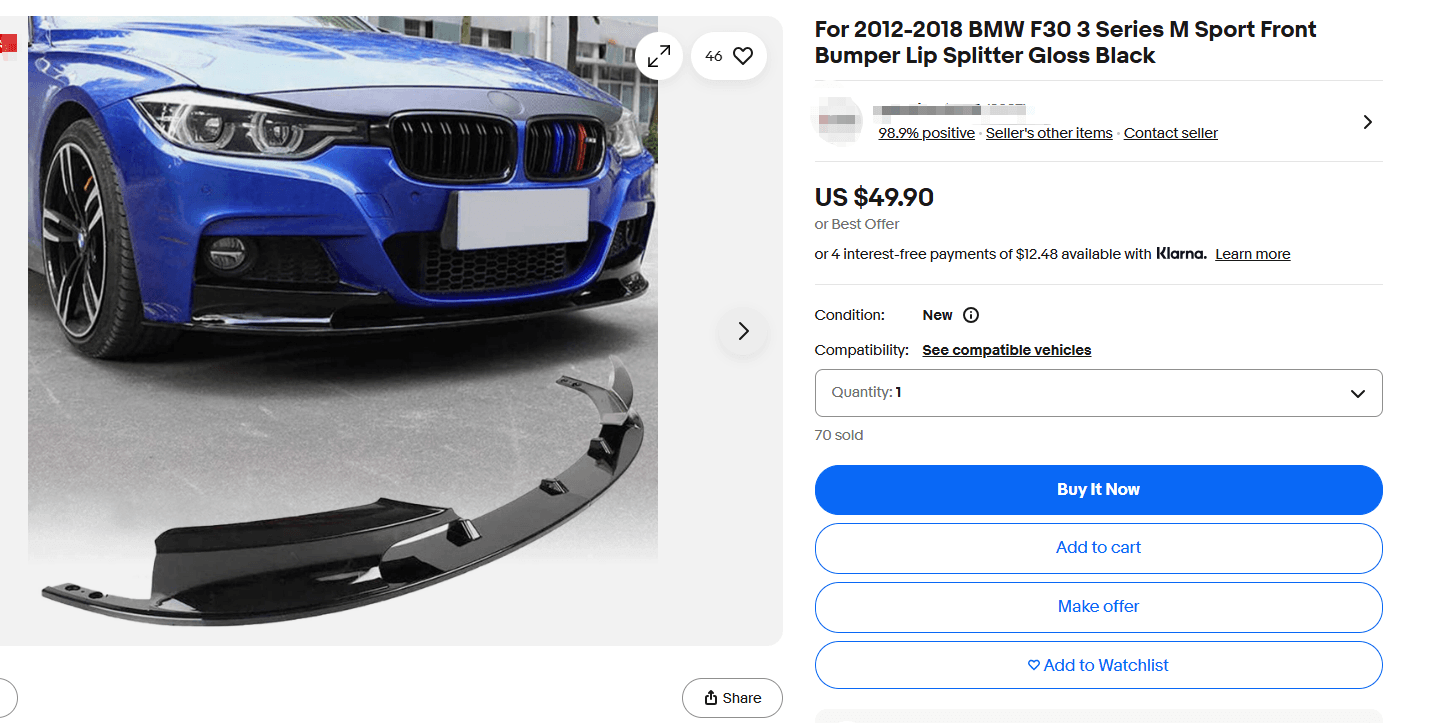
| Front Lip Purchase Price | The price difference of spoilers made of different materials and styles is very large. Integral front lip designs are more expensive than segmented ones. Special paint colors can also lead to higher prices. Some front lips even have a brand premium. |
|
| + | ||
| Shipping / Delivery Costs |
| |
| + | ||
| Installation Costs |
| |
| = | ||
| Total Costs | Therefore, the cost of a front lip is very complex, and I haven't even mentioned the different taxes and fees required by different countries. |
Where to Buy Front Lips?
Local shops / tuning garages: fast and often include installation.
Online marketplaces: Amazon, eBay, AliExpress, etc. offer a wide range.
Specialized websites / brands: reliable quality, model-specific fitment.
Manufacturers / wholesale suppliers: ideal for bulk buyers or businesses.
Frequently Asked Questions About Front Lips
Q: Do car front lips affect warranty?
A: Generally, no, unless installation damages the bumper or sensors.
Q: Will a car front lip affect cooling or airflow?
A: If properly designed, it should not. Cheap or poorly made lips could.
Q: How do I prevent scraping?
A: Drive slowly over bumps, enter driveways at an angle, and consider lip protectors.
Q: What's the difference between a lip and a splitter?
A: A splitter is focused on performance and aerodynamics, while a lip balances style and practicality.
Conclusion
Installing a car front lip spoiler is one of the easiest and most effective upgrades to transform your vehicle's look and performance. Whether you want a subtle OEM-style addition or a bold carbon fiber statement, the right front lip can make your car stand out while enhancing aerodynamics.
Do your research, choose the right material and style, and invest in proper installation. With the right choice, a front lip is not just a modification—it's a smart upgrade for both looks and function.